Before
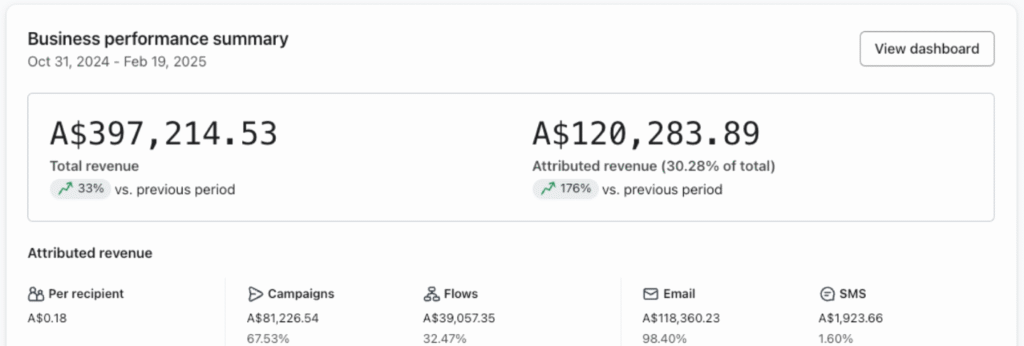
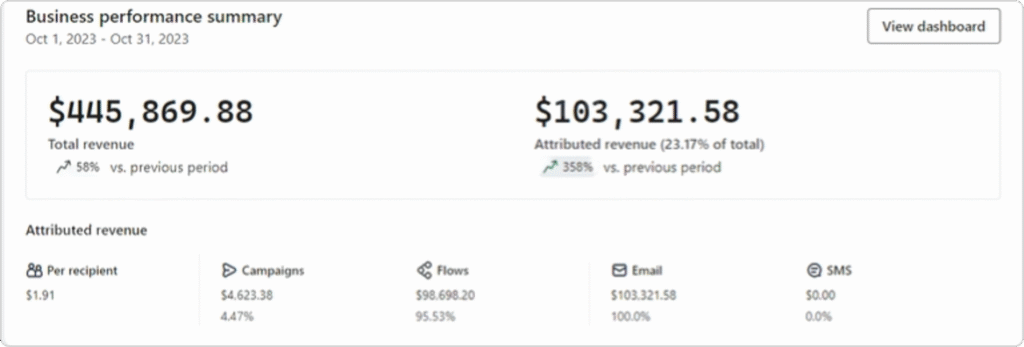
In the previous month, the company’s email marketing efforts accounted for a mere 5% of its total revenue, falling below the industry benchmark where most brands generate at least 20% of their revenue through email marketing.
- Segmentation:
The current segmentation approach lacks differentiators, such as categorizing buyers vs. non-buyers, and VIP customers, and distinguishing engaged users.
- Flows:
The absence of time-sensitive discounts and urgency in flows impacts their effectiveness. Revenue-generating flows like Post-Purchase, VIP, Cart and Browse Abandonment, Winback, and Sunset are missing.
- Post-purchase experience:
No dedicated emails for retention and building loyalty among one-time buyers.
- Campaigns:
The limited number of segments and the quality of emails lessen campaign effectiveness.
- Low click-rate
- Repetitive imagery
- Some emails have a minimal copy
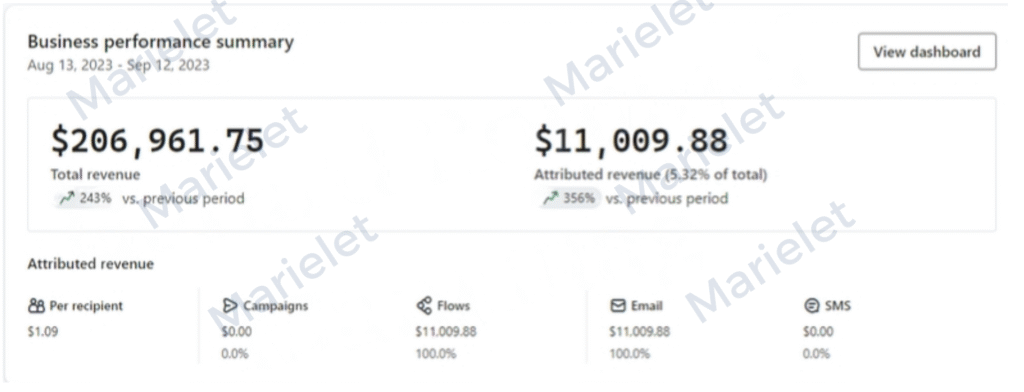
Screenshot of before
After
By strategically prioritizing automation, pop-ups, and monitoring campaigns and flows, we achieved an increase in revenue in just one month including the number of subscribers.
Overview of the Strategy
Segmentation Strategy – Identified and created key segments that are currently missing, such as buyers vs. non-buyers, VIP customers, and engaged vs. unengaged subscribers.
Created segmentation rules such as purchase history, order frequency, order value, and engagement metrics.
Flows Strategy
- A/B Testing
- Introduced time-sensitive discounts and urgency
- Enhanced email content
- Enhanced the post-purchase experience
Campaigns Strategy
- Refining segment criteria based on customer behavior and preferences.
- Refine subject lines, email copy, and clear call-to-action buttons.
- Leveraged educational content
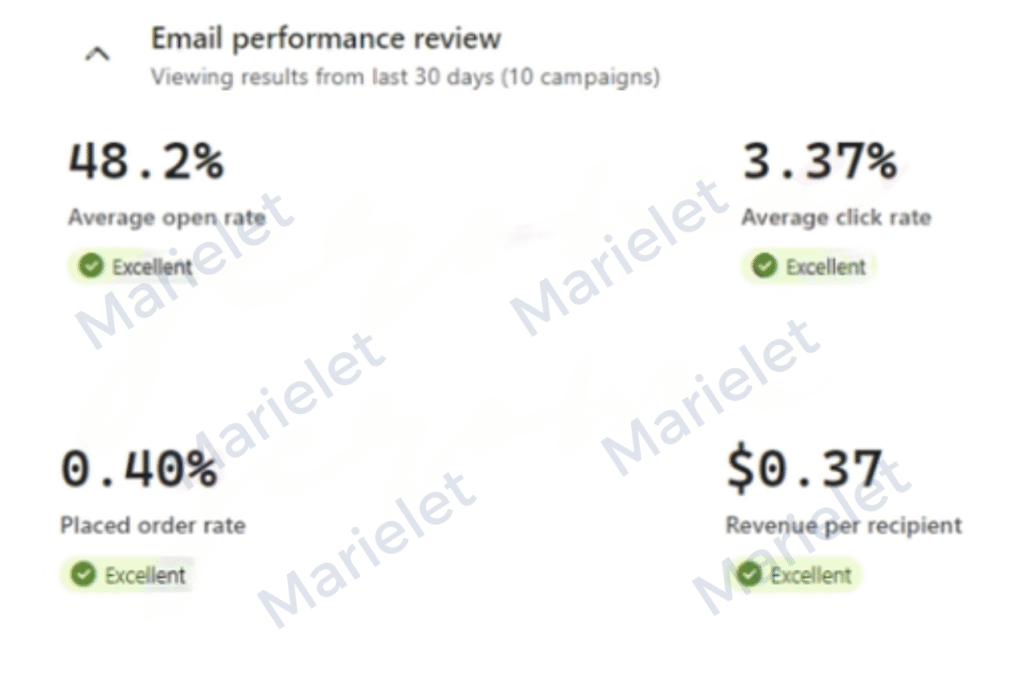
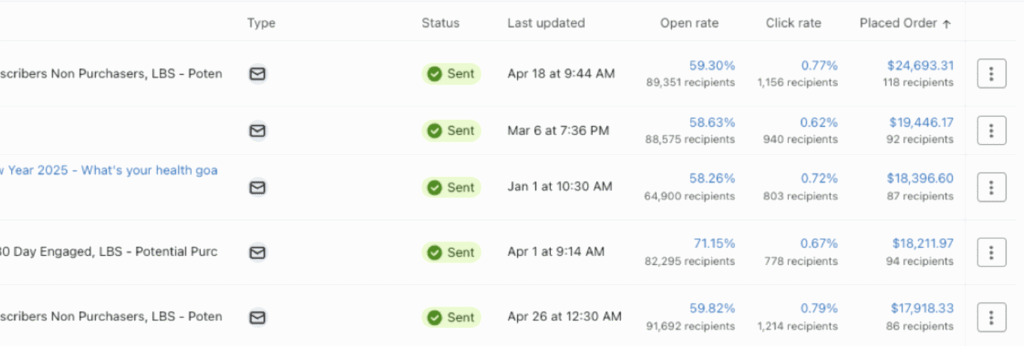
Screenshot of Email Campaigns sent to targeted groups/segments that resulted to excellent metrics.